

Hey there! As a socket fittings supplier, I've gotten tons of questions from customers about how these fittings impact fluid flow in pipes. It's a super important topic, especially when you're dealing with different types of systems where fluid flow efficiency can make or break the whole operation. So, let's dive right in and take a closer look at this.
First off, what are socket fittings anyway? Well, they're basically components used to connect pipes together. They come in all sorts of shapes and sizes, and are made from different materials like ductile iron, steel, and plastic. The main idea is to create a secure and leak - proof connection between pipes, but how do they affect the fluid flowing through those pipes?
One of the key things that can affect fluid flow is the shape of the socket fitting. When fluid flows through a straight pipe, it moves in a relatively smooth and laminar way. But when it reaches a socket fitting, especially if the fitting has a sharp turn or an irregular shape, the flow can get disrupted. For example, a 90 - degree elbow socket fitting can cause the fluid to change direction suddenly. This creates turbulence in the fluid, which is like a chaotic, swirling motion. Turbulence is bad news for fluid flow because it increases the resistance that the fluid has to overcome. As a result, the pressure in the pipe drops, and the overall flow rate can decrease.
But it's not all doom and gloom. Some socket fittings are designed to minimize the impact on fluid flow. For instance, DI Socket Fittings with T - type Joint. The T - type design allows the fluid to split and flow in different directions in a more controlled manner compared to some other complex fittings. This helps to keep the turbulence at a minimum and maintain a relatively stable flow rate.
Another factor that plays a role is the size of the socket fitting. If the fitting has a smaller internal diameter compared to the connected pipes, it acts like a bottleneck. The fluid has to squeeze through this smaller space, which again increases the resistance and can slow down the flow. On the other hand, if the fitting is too large, it can cause the fluid to spread out and create eddies, which also disrupt the smooth flow.
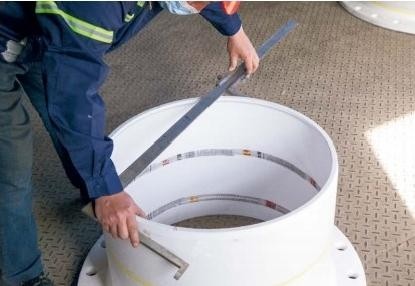
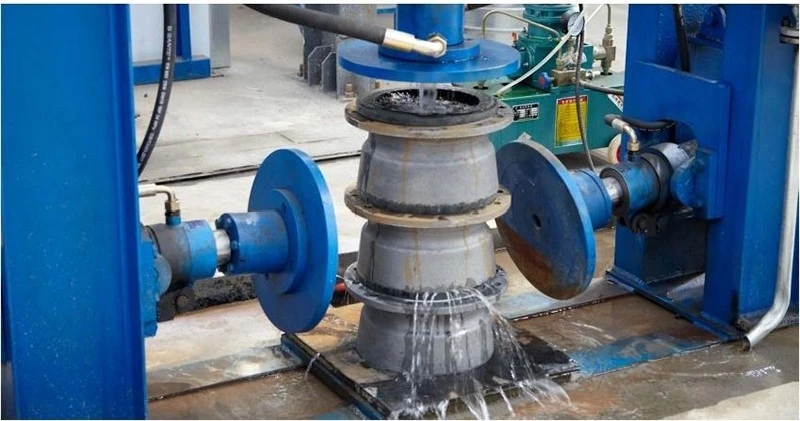
The material of the socket fitting can also have an effect. Rough - surfaced materials, such as some low - quality cast iron fittings, can cause more friction with the fluid. This friction acts as a drag on the fluid, reducing its speed and efficiency. In contrast, smooth - surfaced materials like polished stainless - steel fittings offer less resistance to the fluid, allowing it to flow more freely.
Let's talk about DI Socket Fittings with EX Joint. These fittings are known for their excellent sealing properties. A good seal is crucial because any leakage can lead to a loss of fluid pressure and a decrease in the overall flow rate. When the joint is properly sealed, the fluid is forced to flow through the intended path, which helps in maintaining a consistent flow.
Now, DI Socket Fittings with Self - anchoring Joint have their own advantages when it comes to fluid flow. The self - anchoring feature ensures that the fitting stays in place even under high - pressure conditions. This stability is important because if a fitting were to move or shift, it could disrupt the fluid flow and potentially cause leaks.
In industrial applications, where large volumes of fluid are flowing through complex pipe networks, the impact of socket fittings on fluid flow becomes even more critical. For example, in a chemical processing plant, the precise control of fluid flow is essential for the proper functioning of the production processes. Any disruption in the flow can lead to inconsistent product quality or even equipment failures.
In water supply systems, the efficiency of fluid flow is directly related to the cost of operation. If the socket fittings cause excessive pressure drops and reduce the flow rate, more energy is required to pump the water through the pipes. This means higher electricity bills and a less sustainable system.
To optimize fluid flow, it's important to choose the right socket fittings for your specific application. You need to consider factors like the type of fluid (is it a viscous liquid or a gas?), the flow rate requirements, the pressure in the system, and the overall layout of the pipe network.
If you're in the market for high - quality socket fittings that are designed to minimize the impact on fluid flow, you've come to the right place. As a supplier, I've seen firsthand how the right fittings can make a huge difference in the performance of a pipe system. I'm here to help you find the perfect fit for your project. Whether you need DI Socket Fittings with T - type Joint, DI Socket Fittings with EX Joint, or DI Socket Fittings with Self - anchoring Joint, I can offer you a wide range of options to meet your needs.
If you have any questions or want to discuss your project in more detail, don't hesitate to reach out. We can work together to figure out the best socket fittings for your fluid flow requirements. Let's make your pipe system as efficient as possible!
References:
- "Fluid Mechanics" by Frank M. White
- "Pipe Fittings Handbook" by various industry experts