

Socket fittings are a common type of pipe fitting used in various plumbing and piping systems. They are designed to connect pipes together by inserting one pipe into the socket end of the fitting. A question that often arises is whether socket fittings can be used for gas pipelines. As a socket fittings supplier, I will delve into this topic, exploring the technical aspects, safety considerations, and regulatory requirements.
Technical Feasibility of Using Socket Fittings in Gas Pipelines
Material Compatibility
The choice of material for socket fittings in gas pipelines is crucial. Gas pipelines typically carry natural gas, propane, or other combustible gases, so the fittings must be made of materials that are resistant to corrosion and can withstand the pressure and temperature conditions of the gas. Commonly used materials for socket fittings in gas applications include ductile iron, steel, and brass.
Ductile iron socket fittings, such as DI Socket Fittings with EX Joint, DI Socket Fittings with Self-anchoring Joint, and DI Socket Fittings with T-type Joint, offer excellent strength and durability. They are suitable for both low and high-pressure gas systems. Steel socket fittings are also popular due to their high strength and ability to handle higher pressures. Brass socket fittings, on the other hand, are often used in smaller gas lines and residential applications because of their good corrosion resistance and ease of installation.
Sealing Performance
One of the most critical factors in using socket fittings for gas pipelines is the sealing performance. Gas leaks can be extremely dangerous, leading to fire, explosion, or asphyxiation. Socket fittings rely on gaskets or seals to prevent gas from escaping. The gaskets used in socket fittings for gas pipelines must be made of materials that are compatible with the gas being transported and can maintain a tight seal under different operating conditions.
For example, in ductile iron socket fittings, elastomeric gaskets are commonly used. These gaskets are designed to provide a reliable seal even when the pipes are subjected to slight movements or vibrations. The quality of the gasket and the proper installation of the fitting are essential to ensure a leak-free connection.
Pressure and Temperature Ratings
Gas pipelines operate under specific pressure and temperature conditions. Socket fittings used in these pipelines must have appropriate pressure and temperature ratings to ensure safe and reliable operation. The pressure rating of a socket fitting indicates the maximum pressure that it can withstand without failing. Similarly, the temperature rating specifies the range of temperatures within which the fitting can function properly.
When selecting socket fittings for gas pipelines, it is important to match the pressure and temperature ratings of the fittings with the operating conditions of the pipeline. For high-pressure gas systems, fittings with higher pressure ratings, such as steel or ductile iron fittings, are required. In contrast, for low-pressure residential gas lines, brass or plastic socket fittings may be sufficient.
Safety Considerations
Gas Leak Detection
Regular gas leak detection is essential when using socket fittings in gas pipelines. Gas leaks can be detected through various methods, including visual inspection, odor detection (natural gas is often odorized for safety reasons), and the use of gas detection equipment. It is important to establish a routine maintenance schedule to check for any signs of gas leaks at the socket fittings and other connection points.
Fire and Explosion Hazards
Gas is a highly flammable substance, and any gas leak can pose a significant fire and explosion hazard. To minimize these risks, it is important to ensure that the socket fittings are installed in well-ventilated areas and away from sources of ignition. Additionally, the use of fire-resistant materials and proper grounding of the pipeline system can help reduce the risk of fire and explosion.
Compliance with Safety Standards
Socket fittings used in gas pipelines must comply with relevant safety standards and regulations. These standards ensure that the fittings are designed, manufactured, and installed to meet specific safety requirements. In the United States, for example, the National Fire Protection Association (NFPA) and the American Society of Mechanical Engineers (ASME) have established standards for gas pipeline systems. Compliance with these standards is not only a legal requirement but also essential for ensuring the safety of the gas pipeline system.
Regulatory Requirements
Local and National Codes
Different countries and regions have their own local and national codes and regulations regarding the use of socket fittings in gas pipelines. These codes specify the requirements for the design, installation, inspection, and maintenance of gas pipeline systems. It is the responsibility of the installer and the end-user to ensure that the socket fittings used in the pipeline comply with these codes.
For example, in some areas, only certain types of socket fittings may be approved for use in gas pipelines. Additionally, the installation of gas pipeline systems may require a permit from the local authorities, and inspections may be required at various stages of the installation process.
Industry Standards
In addition to local and national codes, there are also industry standards that govern the use of socket fittings in gas pipelines. These standards provide guidelines for the design, manufacturing, and testing of socket fittings to ensure their quality and performance. Some of the widely recognized industry standards include ASTM (American Society for Testing and Materials) and ISO (International Organization for Standardization).
When selecting socket fittings for gas pipelines, it is important to choose products that comply with these industry standards. This ensures that the fittings have been tested and certified to meet the required quality and safety criteria.
Installation and Maintenance
Proper Installation
Proper installation of socket fittings is crucial for their safe and reliable operation in gas pipelines. The installation process should follow the manufacturer's instructions and the relevant codes and standards. This includes cleaning the pipe ends and the socket of the fitting, applying the appropriate lubricant to the gasket, and ensuring that the pipe is fully inserted into the socket.
Incorrect installation can lead to leaks, reduced performance, and even failure of the fitting. It is recommended that only qualified and experienced installers be involved in the installation of gas pipeline systems.
Regular Maintenance
Regular maintenance of socket fittings in gas pipelines is essential to ensure their long-term performance and safety. This includes inspecting the fittings for signs of wear, corrosion, or damage, and replacing any worn or damaged parts as needed. Additionally, the gaskets should be checked periodically for proper sealing and replaced if necessary.

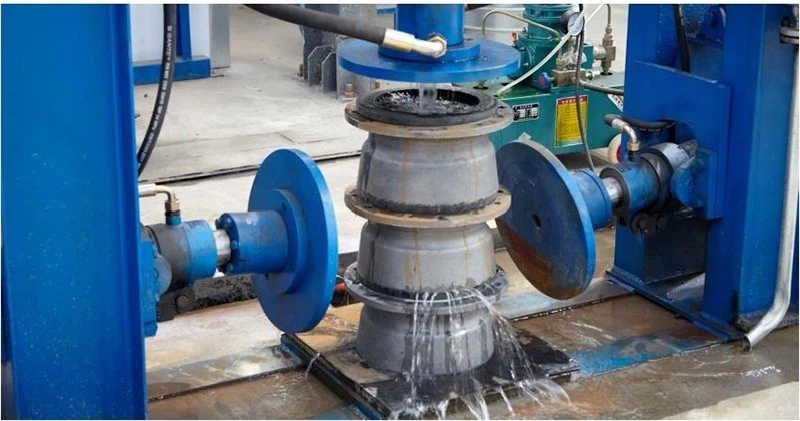
Maintenance also involves monitoring the pressure and temperature of the gas pipeline system to ensure that it is operating within the specified range. Any abnormal changes in pressure or temperature should be investigated immediately to prevent potential problems.
Conclusion
In conclusion, socket fittings can be used for gas pipelines, provided that they meet the technical requirements, safety considerations, and regulatory standards. As a socket fittings supplier, we offer a wide range of high-quality socket fittings, such as DI Socket Fittings with EX Joint, DI Socket Fittings with Self-anchoring Joint, and DI Socket Fittings with T-type Joint, that are suitable for various gas pipeline applications.
However, it is important to note that the safe use of socket fittings in gas pipelines requires careful selection, proper installation, and regular maintenance. If you are considering using socket fittings in your gas pipeline system, we encourage you to contact us for more information and to discuss your specific requirements. Our team of experts can provide you with the guidance and support you need to ensure a safe and reliable gas pipeline installation.
References
- National Fire Protection Association (NFPA). NFPA 54: National Fuel Gas Code.
- American Society of Mechanical Engineers (ASME). ASME B31.8: Gas Transmission and Distribution Piping Systems.
- ASTM International. Various standards related to pipe fittings and materials for gas pipelines.
- International Organization for Standardization (ISO). ISO standards for gas pipeline systems.